If you’ve ever looked at an art journal and thought, That’s beautiful, but I could never do that, you are absolutely not alone.
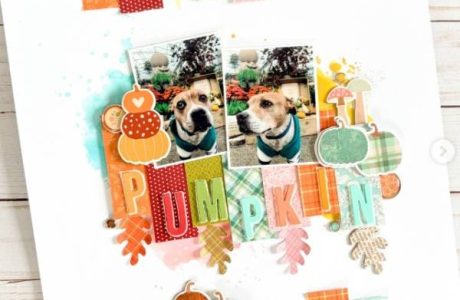
A lot of scrapbookers, paper crafters, and memory keepers already tell stories visually without even thinking about it. We layer photos, tuck in little notes, play with color, collect pretty paper we swear we’ll use one day, and somehow turn everyday moments into something worth keeping. A visual journal is really just another way to do that, but with a little more freedom and a lot less pressure.
And honestly, that’s part of the magic.
A visual journal doesn’t need to be perfect. It doesn’t need expensive supplies. It doesn’t need to look like something out of an art school portfolio. It can be messy, simple, colorful, moody, scribbly, photo-heavy, or full of half-finished thoughts. It’s yours.
If you’ve been curious about starting one, here are 15 very good reasons to give visual journaling a try.
What Is a Visual Journal?
A visual journal is a creative notebook where you combine words, images, color, texture, and personal expression on the page. It can include sketches, scrapbook bits, collage, photos, painted backgrounds, handwritten thoughts, ticket stubs, magazine clippings, stamps, labels, washi tape, or little pieces of everyday life.
Think of it as somewhere between a diary, a sketchbook, and a scrapbook.
Some people use visual journals for memory keeping. Others use them for stress relief, idea collecting, or creative play. There’s no one right way to do it, which makes it especially appealing if you’re tired of feeling boxed in by “perfect” project expectations.
1. It helps you slow down and notice life
One of the loveliest things about keeping a visual journal is that it encourages you to pay attention.
You start noticing color combinations in the supermarket, funny snippets of conversation, the pattern on your tea mug, a flower on your walk, or the way the afternoon light hits your craft desk. When you know you might add something to a page later, everyday life starts to feel a little more meaningful.
2. It gives you a creative outlet without rules
Scrapbooking sometimes comes with a bit of pressure. Photos need printing. Layouts need balance. Adhesive ends up where it shouldn’t. And let’s not even talk about that one sheet of paper you’re too scared to cut.
A visual journal is freer.
You can rip paper, paint over mistakes, glue in random bits, and write crooked across the page if that’s what the mood calls for. It’s creative play without the pressure of making something “display worthy.”
3. It’s a wonderful place to collect ideas
If your brain is always hopping from one idea to the next, a visual journal can become a brilliant catch-all.
Color palettes, title ideas, layout sketches, quotes, project notes, packaging inspiration, magazine snippets, patterns you love, combinations you want to remember—it all has a home. Instead of losing ideas on sticky notes or the back of receipts, you can build a personal book of inspiration that grows over time.
4. It can help clear mental clutter
There’s something deeply satisfying about getting thoughts out of your head and onto paper.
Some days that might mean writing a full page. Other days it might just be tearing paper into a collage because words feel like too much effort. Either way, the act of making a page can feel grounding. It gives your mind somewhere to put the noise.
5. It encourages experimentation
Visual journals are ideal for trying things out.
Want to test a new stamp? Try a mixed media background? Layer vintage book paper with paint? Play with lettering? Use up a strange embellishment you bought three years ago and never touched again? This is the place.
Because the journal is personal and informal, it becomes much easier to experiment without worrying about wasting supplies or ruining a “real” project.
6. It builds confidence over time
You do not need to be naturally artistic to keep a visual journal.
In fact, one of the best reasons to start is that it helps you become more confident creatively. The more pages you make, the less intimidating the blank page becomes. You begin to trust your own style. You stop second-guessing every little choice.
And somewhere along the way, you realize you’re not “bad at art.” You were just expecting perfection too soon.
7. It preserves feelings, not just events
Scrapbooks often focus on what happened. A visual journal can capture how it felt.
That’s an important difference.
Maybe you don’t have photos of a rough week, a season of change, or a day that mattered quietly rather than dramatically. A visual journal lets you record emotions, moods, hopes, and tiny observations that don’t always fit neatly into traditional memory keeping.
8. It’s perfect for using up scraps
If you’re a paper crafter, chances are you have a drawer, basket, or entire mysterious corner full of scraps you’re “saving.”
Visual journaling is one of the best ways to use them.
Small paper pieces, leftover alphas, half-used sticker sheets, washi ends, bits of ribbon, old cards, packaging tags, tissue paper, labels, and background offcuts all work beautifully in journal pages. It’s a practical craft habit and a stash-busting one, which is always a nice bonus.
9. It helps you develop your own style
When you make pages just for yourself, your preferences become clearer.
You begin noticing what colors you reach for, how much white space you like, whether you prefer neat layers or messy collage, and what kind of words you naturally want to include. Over time, your journal becomes a record of your evolving creative voice.
That’s incredibly useful for scrapbookers, card makers, journalers, and mixed media artists alike.
10. It can be deeply therapeutic
Not every visual journal needs to be emotional, but many people find the process calming and comforting.
Cutting, arranging, gluing, writing, and layering can feel repetitive in the best possible way. It gives your hands something to do and your thoughts somewhere to land. On hard days, even making one small page can help you feel a little more settled.
11. It makes memory keeping feel more immediate
Traditional scrapbooking often happens after the fact. You gather photos, sort supplies, and sit down when you have enough time.
A visual journal can happen in real time.
You can add a receipt from lunch, jot down what your child said in the car, tape in a wrapper from your favorite chocolate, or make a quick page about a moment before it fades. It captures life while it still feels fresh.
12. It gives you permission to be imperfect
This might be my favorite reason of all.
A visual journal does not ask you to make polished pages every time. It allows for ugly pages, tired pages, overworked pages, and pages that looked better in your head. And that’s healthy. Not every creative act needs to become content, decor, or something worth showing the internet.
Sometimes the value is simply in the making.
13. It creates a record of your creative journey
Looking back through an old visual journal can be surprisingly emotional.
You see what mattered to you, what colors you loved, what you were learning, what supplies you used, what seasons you moved through, and how your ideas changed. It becomes more than a notebook. It becomes a creative timeline.
14. It works for any skill level
You can start with almost nothing.
A notebook, a pen, a glue stick, and a few paper scraps are enough. Add photos if you want. Add watercolor if you want. Add stickers, stamps, old book pages, sewing patterns, or ink splatters if that’s your thing. There is no entry test for visual journaling. You just begin where you are.
15. It’s simply fun
And honestly, this reason matters.
Not every creative hobby needs to be productive. Not every page needs a purpose. Sometimes it’s enough that it feels good, sparks ideas, and gives you a little pocket of calm in the middle of ordinary life.
That’s reason enough to keep going.
Easy Things to Put in a Visual Journal
If you’re not sure how to start, begin with what’s already around you:
- paper scraps
- magazine words
- printed photos
- receipts and tickets
- stickers and labels
- handwritten thoughts
- favorite quotes
- packaging bits
- swatches of ribbon or fabric
- doodles, stamps, and simple lists
You don’t need a grand plan. One page at a time is plenty.
Simple Visual Journal Page Ideas for Beginners
If blank pages make you freeze up, try one of these easy prompts:
- Make a page using only one color family
- Create a collage from scraps on your desk
- Journal about your current favorite things
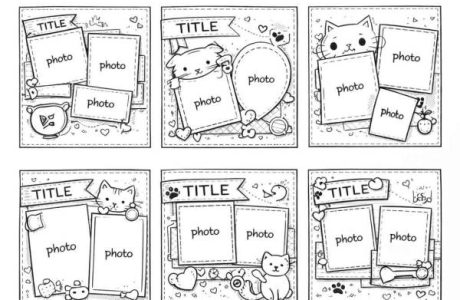
- Add a photo and build around it with paper layers
- Make a mood page with words and textures instead of full sentences
- Use one quote as the starting point for a spread
- Document an ordinary day with tiny details
These kinds of pages are perfect if you want a creative habit that feels achievable rather than overwhelming.
Why Visual Journaling Works So Well for Scrapbookers
If you already love scrapbooking, visual journaling can feel like the relaxed little sister of layout making.
It still lets you play with paper, tell stories, and preserve memories, but without the pressure of matching collections, large photo prints, or finished-page expectations. It’s especially good for creative ruts, stash busting, and recording the small moments that don’t always make it into albums.
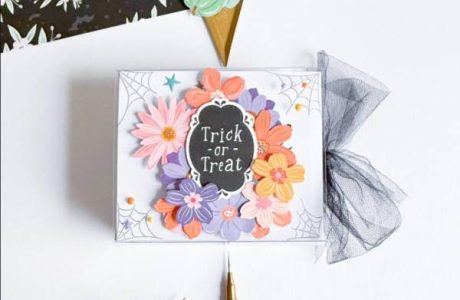
You might also enjoy exploring mini albums, artful scrapbook layouts, and printable journaling elements if you want to build this into your regular paper crafting routine.
A gentle nudge to start
If you’ve been waiting until you feel more artistic, more organized, or more inspired, consider this your sign to start anyway.
Grab a notebook. Glue in something random. Write a few lines. Add a sticker. Make a mess. Turn the page and do it again tomorrow.
That’s how visual journals begin—not with perfection, but with permission.
If you want, I can also turn this into an even stronger SEO-ready Scrapbooking.CraftGossip article with headings, internal link suggestions, and a Pinterest pin title and description.