• Home
  • Suggest A DIY
  • DIY Newsletter

Scrap Booking

Themes, layouts and inspirations

  • About CraftGossip
  • Our Network
    • Bath & Body Crafts
    • Candle Making Ideas
    • Crochet Ideas
    • Cross Stitch
    • Edible Crafts
    • Felting Patterns
    • Glass Art
    • Home & Garden Ideas
    • Indie Crafts
    • Jewelry Making
    • Kids Crafts
    • Knitting Patterns
    • Lesson Plans
    • Needlework
    • Party Ideas
    • Polymer Clay
    • Quilting Ideas
    • Recycled Crafts
    • Scrapbooking
    • Sewing Patterns
    • Card Making
    • DIY Weddings
    • Not Craft Ideas
  • Giveaways
  • Roundups
  • Store
  • Search

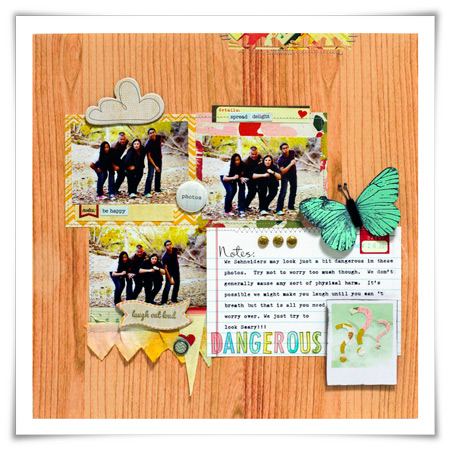
Inspiration du Jour | Dangerous

March 2, 2012 by Francine Clouden

Dangerous by Ursula Schneider

{GALLERY} {BLOG}
More Ideas For You:

  • springpets12
    12 Dog and Cat Scrapbook Layouts for Spring
  • photobooth1
    12 Scrapbook Layouts with Photo Strips Inspiration
  • scrapbooking-layouts-valentines-love-heart
    12 Scrapbook Layouts with Lots of Love for…
  • pumpkinpage1
    12 Autumn Scrapbook Layout Ideas Featuring Pumpkins
«
»

Have you read?

How to Bind a Junk Journal (5 Easy Methods for Beginners)

Simple Junk Journal Binding Techniques You Can Do at Home

Let’s talk about the part that makes people pause.

You’ve printed your junk journal pages. You’ve layered your ephemera. You’ve folded your signatures.

And then you think… now what?

Binding sounds complicated. It sounds like something that requires special tools and serious bookbinding skills.

It doesn’t.

Binding a junk journal is simply attaching folded pages together in a way that suits your style. That’s it.

If you’ve been searching for:

  • how to bind a junk journal

  • easy junk journal binding methods

  • beginner junk journal stitching

  • how to assemble junk journal signatures

This guide will walk you through five simple junk journal binding techniques you can do at home — no fancy equipment required.

Before You Start: What Is a Signature?

In junk journaling, a signature is a small stack of folded pages nested together.

Most junk journals contain:

  • 1 to 4 signatures

  • 4 to 8 folded sheets per signature

  • A mix of printable junk journal pages and scrap paper

Once your signatures are assembled, you bind them into a cover.

Now let’s look at your options.

1. Pamphlet Stitch (Classic and Beginner Friendly)

The pamphlet stitch is the most popular junk journal binding method — and for good reason.

It’s sturdy.
It looks beautifully handmade.
It requires only a needle and thread.

What you need:

  • Needle

  • Strong thread or embroidery floss

  • Awl or thick needle for poking holes

How it works:

  1. Place your folded pages inside your cover.

  2. Poke three evenly spaced holes along the fold.

  3. Stitch through the holes in this order: middle, bottom, top, back to middle.

  4. Tie off neatly in the center.

The visible stitching along the spine adds charm and character.

This method works beautifully for:

  • Vintage junk journals

  • Botanical printable kits

  • Small themed journals

If you’re brand new, this is a wonderful place to start.


2. Three-Hole Saddle Stitch (Even Simpler)

If you want something even more straightforward, the three-hole saddle stitch is a simplified version of the pamphlet stitch.

Steps:

  1. Fold your pages into a single signature.

  2. Punch three holes along the spine.

  3. Thread through from one end to the other.

  4. Tie securely in the center.

It’s quick, secure, and ideal for:

  • Small journals

  • Practice projects

  • Quick printable junk journal kits

This is perfect when you just want to get started without overthinking the process.

3. Ring-Bound Junk Journal (No Sewing Required)

If stitching feels intimidating, you can skip it entirely.

Ring binding is flexible and beginner friendly.

What you need:

  • Binder rings

  • Hole punch

How it works:

  1. Punch holes along the edge of your pages.

  2. Insert binder rings.

  3. Add or remove pages anytime.

Ring-bound junk journals are great for:

  • Evolving journals

  • Interactive journals

  • Printable junk journal kits with lots of add-ins

This method allows you to rearrange and expand your journal as you go.

4. Ribbon or Fabric Tie Binding (Soft and Decorative)

If you love a romantic, soft aesthetic, ribbon binding is beautiful.

Instead of permanently stitching the spine, you create a flexible binding using ribbon or fabric strips.

Steps:

  1. Punch holes along the spine.

  2. Thread ribbon or torn fabric through.

  3. Tie loosely into bows.

This method works wonderfully for:

  • Cottagecore junk journals

  • Vintage floral themes

  • Lace-heavy or shabby chic styles

It also allows the journal to expand naturally as you add embellishments.

5. Glue Spine Method (Clean and Modern)

If you prefer a neater spine without visible stitching, glue binding is surprisingly effective.

What you need:

  • Strong craft glue or bookbinding glue

  • Clips or clamps

  • Scrap paper for protection

How it works:

  1. Stack folded signatures tightly together.

  2. Clip them firmly along the spine.

  3. Apply glue evenly across the spine.

  4. Allow to dry completely.

  5. Attach the glued spine to your cover.

This method works well for:

  • Modern-style junk journals

  • Printable junk journal kits

  • Journals with lighter embellishments

It creates a cleaner look and feels less “rustic.”

Which Junk Journal Binding Method Is Best?

There isn’t one best method.

It depends on:

  • Your journal theme

  • How bulky your pages are

  • Whether you want visible stitching

  • Whether you want to add pages later

If you’re a beginner, start with:

  • Pamphlet stitch for a traditional look

  • Ring binding for flexibility

Both are forgiving and easy to adjust.

Tips for Stronger Junk Journal Binding

No matter which method you choose, keep these tips in mind:

  • Use 24lb to 28lb paper for durability

  • Don’t overfill your signatures

  • Leave space for embellishments

  • Test hole placement on scrap paper first

  • Pull thread snug, but not tight enough to tear paper

The most common mistake beginners make is overstuffing the journal before binding.

Allow your journal to grow naturally.

How Many Signatures Should a Junk Journal Have?

For beginners:

  • 1 signature is simplest

  • 2 signatures feel balanced

  • 3 to 4 signatures create a fuller journal

More signatures mean a thicker spine — so choose your binding method accordingly.

Final Thoughts on Binding a Junk Journal

Binding sounds technical — until you try it.

Then you realize it’s simply folded paper and thread.

Junk journaling is meant to feel handmade. Slightly uneven stitching. A ribbon tied imperfectly. Pages that don’t sit perfectly flat.

That’s part of the charm.

Try one method. Then try another. You’ll quickly discover what suits your style — and binding will stop feeling intimidating altogether.


Explore

backgrounds Christmas Crafts Design Theory die cutting embellishments family Freebies Free Printables Holidays Inspiration - Layout Ideas Journaling News Paper Crafts Scrapbooking Themes Scrapbook Titles Techniques Tips and Tricks Tutorials Tutorials & Ideas

RSS More Articles

  • How to Make Cute Shaped Insect Cards (with bonus shakers)
  • Designer Spotlight: Non Stop Stitch
  • Free Felting Tutorial Friday: Wool Needle Felted Acorns
  • Knit a Little Scarf Full of Luxury
  • Round Bee and Flower Inspired Mini Scrapbook Album
  • How To Sew A Slip Stitch: The Invisible Hand Sewing Stitch Every Beginner Should Know
  • Learning about France for Kids
  • How To Make A Recycled Skittles Pouch
  • How To Work A Provisional Cast On In Knitting
  • 4th of July Tie-Dye Cookie Ideas – Red, White and Blue Cookies for Summer Parties

Copyright © 2026 · CraftGossip | Start Here | Contact Us | Link to Us | Your Editors | Privacy and affiliate policy